

In terms of making a lasting impression at trade shows, every detail matters. One powerful tactic to enhance your booth's charm and engagement is by including professional trade show models. These talented professionals are not just visually appealing; they are key in creating an inviting atmosphere that draws in potential customers and promotes meaningful interactions. Understanding how to find the ideal trade show models for your specific event can set you apart from the competition and enhance your brand's visibility.
Throughout this article, we will examine the countless factors of hiring trade show models, from recognizing what to consider to understanding their impact on lead generation and customer engagement. Regardless of whether you are a veteran exhibitor or new to the trade show scene, we will provide you with key advice and insights to make certain your experience is both economically sound and beneficial. Accompany us as we explore the world of trade show models and discover leverage their talents to make your event great success.
Finding the Right Trade Show Models
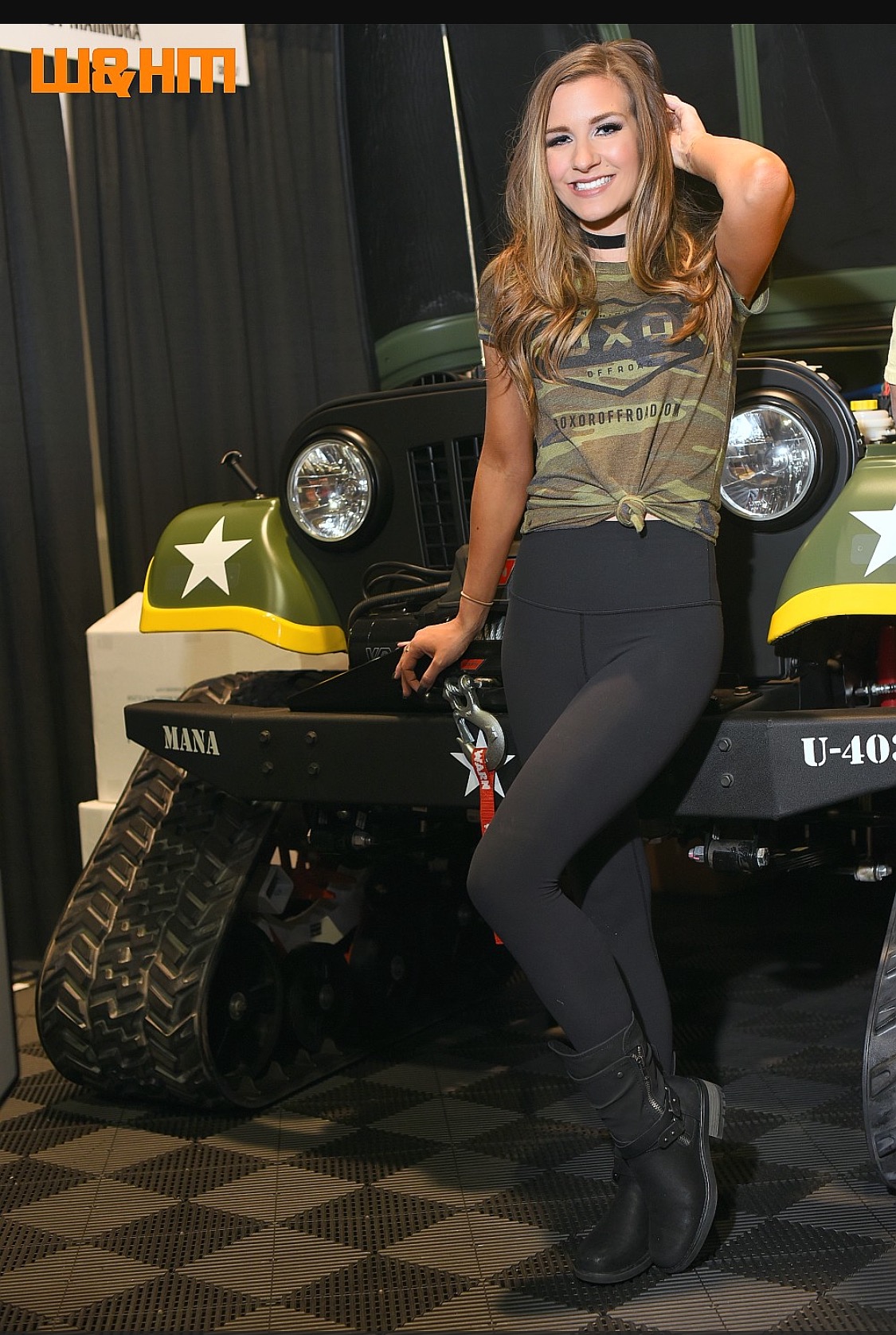
The effectiveness of your trade show booth greatly relies on the impression your models create. Choosing the appropriate trade show models begins with comprehending your image and target audience. Are you aiming for a corporate image or a slightly inviting, friendly vibe? Knowing this will assist you in picking models whose characters and interpersonal styles align with your business identity, eventually resulting in enhanced involvement with attendees.
Once you have a definitive idea of the sort of models you need, the following step is to investigate suitable candidates. Start by checking out local talent agencies that concentrate in trade show models. These agencies can provide skilled professionals customized to your industry requirements. Additionally, consider utilizing digital platforms that allow you to inspect portfolios and check reviews, which can help you make an informed decision while assessing different models’ skills and appearance.
Finally, verify that your picked models are not just a great fit on documentation but can competently represent your business during the event. Hold interviews to assess their ability to engage and speak with potential leads. This will not only boost the overall environment for your audience but will also amplify the return on resources by making your booth lively and drawing visitors throughout the event.
Maximizing Influence through Trade Show Representatives
Exhibition representatives play a critical role in enhancing your event's exposure and engagement. Their attendance can attract attendees to your booth, where they can interact with your products and learn more about your business. By selecting models who embody your brand’s values, you can create a deeper connection with prospective customers and make a lasting impression. webpage increases foot traffic but also aids in clearly conveying your brand narrative.
To maximize the effectiveness of your exhibition models, it’s essential to offer them with adequate preparation and support. Prepare them with detailed product knowledge and key talking points so they can confidently interact with visitors. Simulating potential conversations can also be beneficial, assisting them to enhance their interpersonal skills. The more informed and approachable your models are, the better they will represent your business and foster relationships that may lead to future sales.
In conclusion, using targeted marketing techniques can further enhance the effectiveness of your exhibition models. Implementing social media campaigns that highlight the presence of your models at the event can generate buzz and draw more attendees to your exhibit. Motivate models to connect with visitors both online and offline, crafting a consistent brand experience. By leveraging their skills and enhancing your marketing efforts, exhibition models can significantly improve your exhibition's success and presence.
Analyzing Effectiveness and ROI
Assessing the success of event models involves analyzing both descriptive and numerical metrics. Commence by measuring interaction rates, such as the total of inquiries obtained during the event and the amount of interaction the models had with visitors. Employ tools like questionnaires and comment cards to gauge visitor opinions about their experiences with the models. Assembling data on the amount of handouts given out or items displayed can also provide insight into how well the models operated.
Another significant aspect to consider is the financial return related to engaging trade show models. Calculate the expenses associated with their work against the profits generated from prospective sales that resulted from the event. Evaluate factors like brand awareness and patron fidelity, as these can have lasting effects that reach beyond immediate monetary returns. Examining the cost per lead acquired during the event will help establish the financial effectiveness of hiring models.
In conclusion, it is important to contrast your outcomes with your pre-event goals set before the event. Did the models effectively deliver your corporate identity and enhance your booth's attractiveness? Comparing your results against previous occasions where models were or were not used can provide meaningful learnings into their performance. Continuous evaluation will permit you to enhance your approach and ensure that your outlay in trade show models yields optimal benefits for upcoming events.